Understanding Heat Pumps and Gas Heater Systems
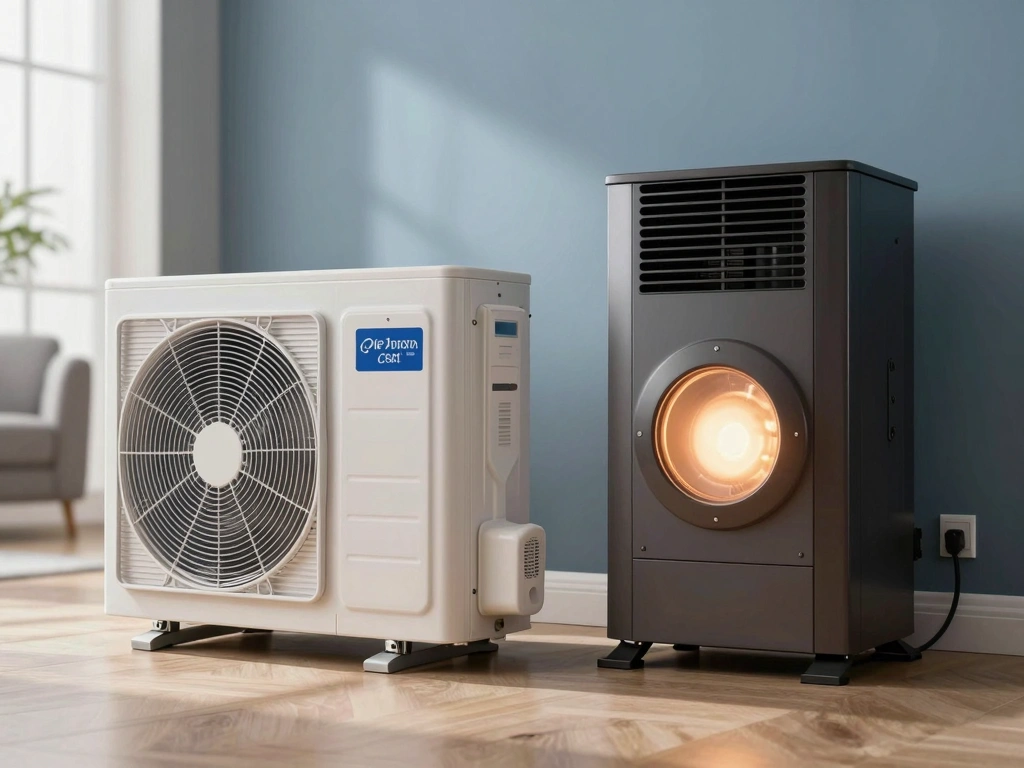
In the evolving landscape of home heating solutions, understanding the differences between heat pumps and gas heaters is crucial for homeowners looking to optimize their energy efficiency and comfort. Heat pumps, which can both heat and cool a space, operate by transferring heat from one place to another, making them a versatile option for various climates. Conversely, gas heaters utilize combustion to generate heat, which can lead to higher energy costs and environmental impacts over time. As we delve into the intricacies of heat pump and gas heater replacement, we’ll explore their mechanics, benefits, misconceptions, and what factors drive the decision to replace one with the other. When exploring options, Heat Pumps & Gas Heater Replacement provides comprehensive insights to guide your choices.
What Are Heat Pumps and How Do They Work?
Heat pumps are electrical devices that can transfer heat from the outside air or ground into your home, or vice versa, depending on the season. During winter, they absorb heat from the cold outdoor air and move it indoors, while in summer, they reverse this process to provide cooling. The key components of heat pumps include a compressor, evaporator, condenser, and expansion valve. The efficiency of heat pumps is often indicated by their coefficient of performance (COP), which measures the ratio of heating or cooling provided to the energy consumed. Modern heat pumps have made significant advancements in technology, allowing them to function effectively in colder climates and making them a sustainable alternative to gas heating systems.
Benefits of Heat Pumps Over Traditional Gas Heaters
- Energy Efficiency: Heat pumps can be up to three times more efficient than conventional gas heaters, making them a cost-effective option for heating and cooling.
- Environmental Impact: By utilizing electricity and reducing reliance on fossil fuels, heat pumps contribute to lower greenhouse gas emissions.
- Versatility: They provide both heating and cooling, eliminating the need for separate systems and reducing upfront costs.
- Longevity: Heat pumps often have longer lifespans than gas heaters, leading to less frequent replacements and lower lifetime costs.
Common Misconceptions About Heat Pump Efficiency
One of the most prevalent myths is that heat pumps are ineffective in cold climates. While older models struggled in low temperatures, today's advancements, such as cold-climate heat pumps, have proven that heat pumps can provide efficient heating even in freezing conditions. Another misconception is that heat pumps are expensive to operate; however, when considering their efficiency and the rising costs of gas, many homeowners find that heat pumps can lead to significant long-term savings.
Factors Influencing Replacement Decisions
Deciding whether to replace a gas heater with a heat pump involves more than just comparing initial costs; several factors should be considered to ensure an informed decision.
Age and Condition of Existing Gas Heaters
The age and condition of your current gas heater play a significant role in replacement decisions. If your gas heater is over 15 years old, it may be less efficient and more prone to breakdowns. Additionally, older models may not meet current environmental standards or efficiency regulations, prompting homeowners to consider a heat pump as a more modern alternative.
Cost Comparisons: Heat Pumps vs. Gas Heating
While the initial installation cost of heat pumps can be higher than that of gas heaters, the long-term savings on utility bills often outweigh these costs. Typically, heat pumps provide substantial savings—up to 50% per year on heating bills—depending on the efficiency rating of the units and local electricity costs. Moreover, some states offer incentives or rebates for homeowners who install energy-efficient systems, further easing the financial burden of transitioning to a heat pump.
Environmental Considerations in Heating Choices
Climate change and environmental responsibility increasingly guide consumer choices in heating systems. Heat pumps are recognized for their lower carbon footprint, as they consume less energy overall and reduce greenhouse gas emissions. Homeowners committed to sustainability may find that switching to a heat pump aligns with their values and helps contribute to a healthier planet.
The Installation Process for Heat Pumps
Installing a heat pump requires careful planning and consideration of several factors to ensure optimal performance and energy efficiency.
Steps Involved in Replacing a Gas Heater
- Assessment: A professional should evaluate the home to determine the appropriate heat pump size and model based on square footage, insulation, and existing ductwork.
- Choosing a Unit: Select a heat pump that meets your home’s heating and cooling needs while considering energy efficiency ratings.
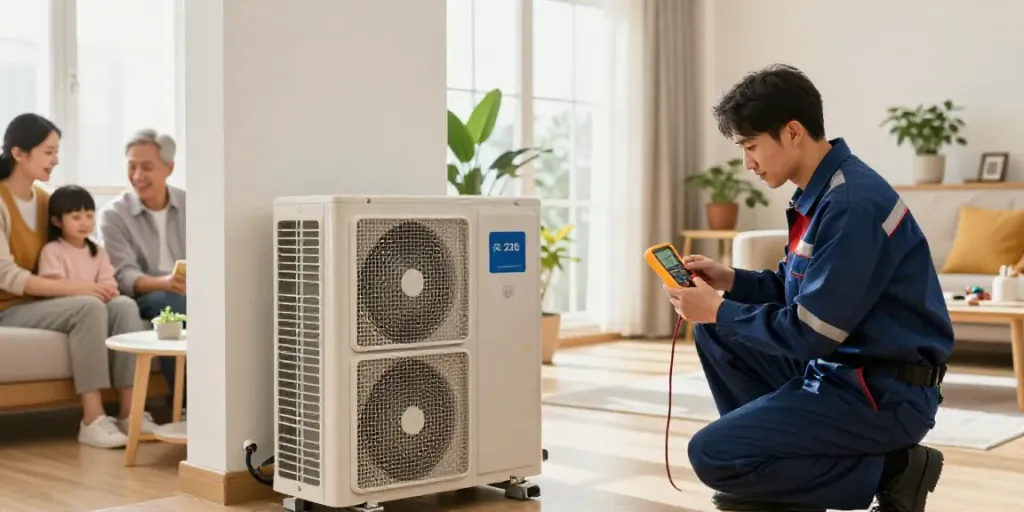
- Installation: A certified technician will remove the old gas heater and install the new heat pump, ensuring proper connections to existing ductwork and electrical supply.
- Testing: After installation, the system should be tested to verify that it operates correctly and efficiently.
Choosing the Right Size and Model for Your Home
Proper sizing is critical for a heat pump’s performance. Oversized units can lead to short cycling, while undersized units may not adequately heat or cool your home. Factors influencing the size include your home's design, insulation, and local climate. Consulting with HVAC professionals who can conduct a Manual J load calculation will provide accurate sizing recommendations tailored to your needs.
What to Expect During Heat Pump Installation
During the installation, homeowners should expect some disruption, including noise and potential dust. The entire process typically takes a day to a few days, depending on the complexity of the installation. After installation, it's essential to understand how to use and maintain your new system for optimal performance.
Future Trends in Heating Technology
The heating industry is continually evolving, with several trends shaping the future of heat pumps and home heating solutions.
Innovations in Heat Pump Technology for 2026
The advancements in heat pump technology are promising, focusing on enhanced efficiency and performance. Innovations include variable-speed compressors that adjust based on heating demands, improving comfort and efficiency. Additionally, manufacturers are developing units that can operate effectively in a broader range of ambient temperatures, making heat pumps increasingly viable for diverse climates.
The Role of Smart Technology in Home Heating
Smart home technology is revolutionizing heating systems, allowing for remote control and monitoring of heat pumps via smartphones or smart home systems. Features like programmable thermostats and integration with home automation systems enable homeowners to optimize energy use and reduce costs effectively.
What Experts Predict for Home Heating Solutions
Experts anticipate that the demand for heat pumps will continue to grow, driven by increased awareness of their benefits and advancements in technology. Policymakers are likely to encourage the transition to heat pumps through incentives, further accelerating the shift away from gas heating systems.
Frequently Asked Questions
Is it worth replacing a gas furnace with a heat pump?
Yes, many homeowners find it worthwhile due to the energy savings and environmental benefits that heat pumps offer, especially when considering the long-term costs of operation.
What is the average cost of heat pump replacement?
The average cost can vary widely based on the type and size of the unit, installation complexity, and local labor rates. However, costs typically range from $3,500 to $8,000, including installation.
Are heat pumps suitable for all climates?
While heat pumps can work in various climates, their efficiency may vary. Cold-climate models have been developed to ensure effective performance in colder areas, making them a viable choice almost anywhere.
What are the major disadvantages of heat pumps?
Some disadvantages include higher upfront costs, potential performance drop in extreme cold without the right model, and the need for adequate insulation in homes to maximize efficiency.
How can I maximize the efficiency of my heat pump?
To maximize efficiency, ensure regular maintenance, schedule professional inspections, utilize programmable thermostats, and consider enhancing home insulation to reduce heating and cooling demands.. Additionally, Spa Filter & Chemical Sydney provides further details.