
Understanding Mini Split AC Units
When it comes to efficient cooling solutions for homes and commercial spaces, the mini split ac unit stands out as a versatile option that combines technology, energy efficiency, and user comfort. Mini split AC units have gained popularity due to their ductless design, which allows for easy installation and targeted cooling. This article will delve deep into the workings of mini split systems, their benefits, and considerations for choosing the right one.
What is a Mini Split AC Unit?
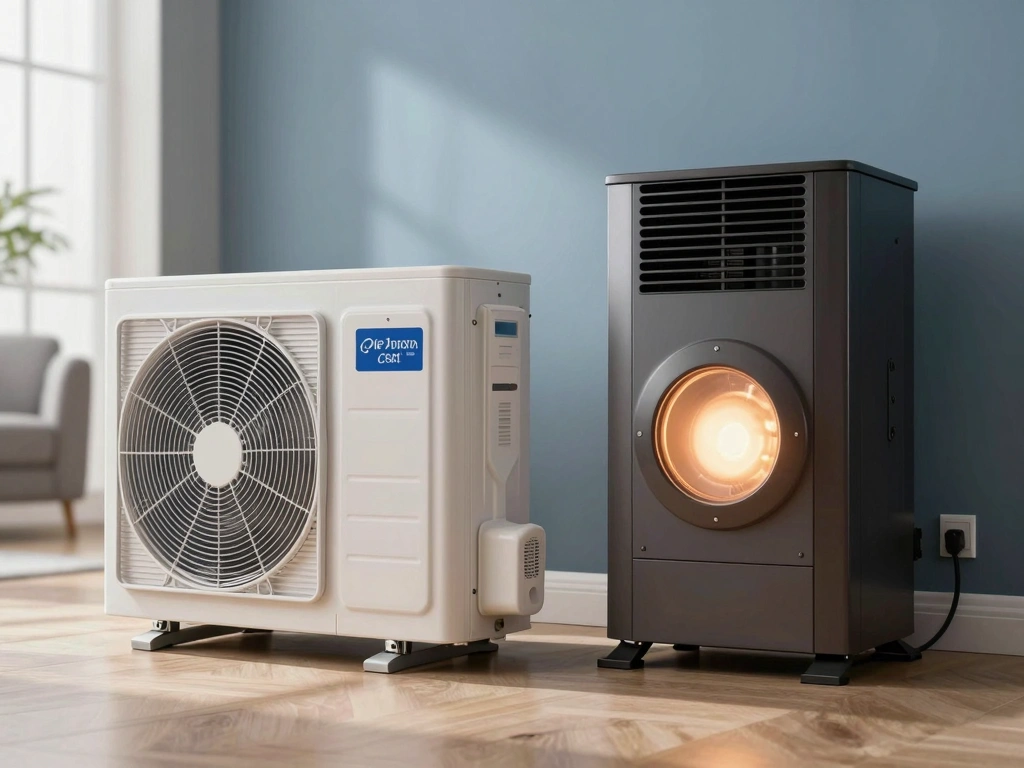
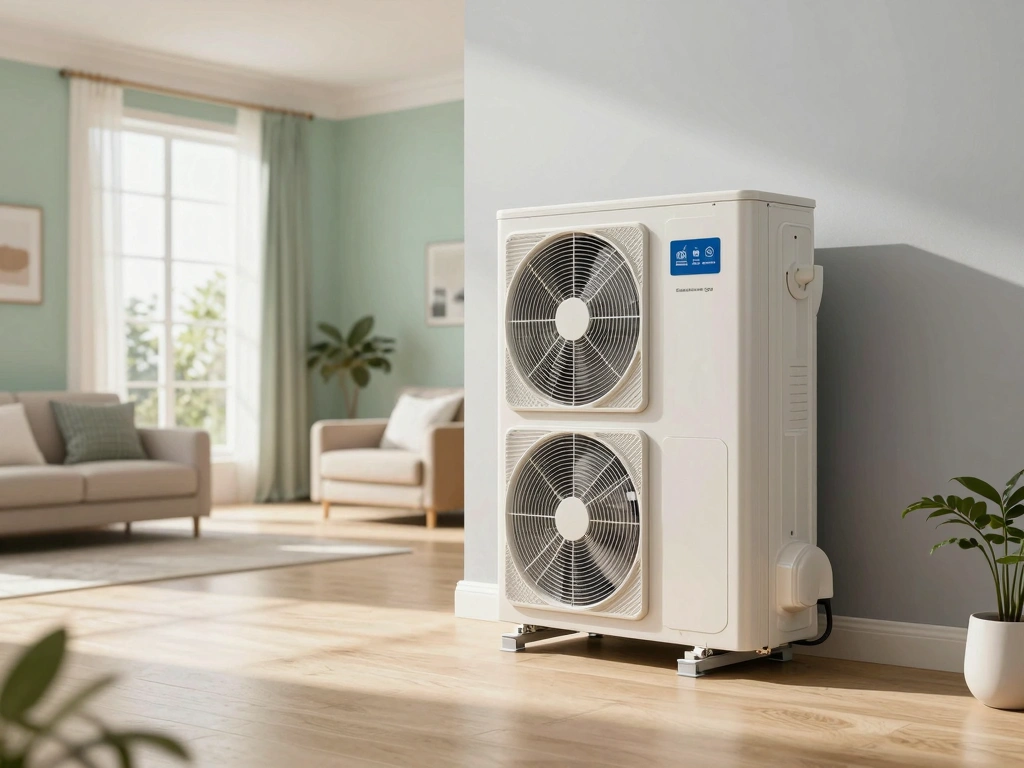
A mini split AC unit is a type of ductless air conditioning system that provides both heating and cooling functions. It consists of two main components: an indoor unit, which is installed within the space being cooled, and an outdoor compressor unit. The two units are connected via refrigerant lines, allowing for efficient heat exchange and climate control. Unlike traditional HVAC systems that rely on ductwork, mini splits offer flexibility in installation and can be used to cool individual rooms or designated zones within a home.
How Mini Split Systems Work
Mini split systems operate using the principles of refrigeration to transfer heat from the indoor space to the outside environment, or vice versa. When cooling is required, the indoor unit draws warm air from the room, passes it over evaporator coils filled with refrigerant, and cools the air. The cooled air is then circulated back into the room through a fan. The warm refrigerant is sent to the outdoor unit where it releases the heat into the atmosphere, allowing the cycle to continue. This system is particularly energy-efficient as it avoids the energy losses associated with ductwork, making it an ideal choice for modern energy-conscious homeowners.
Benefits of Choosing a Mini Split AC Unit
- Energy Efficiency: Mini splits are known for their high SEER ratings, which means they consume less electricity than traditional air conditioners.
- Flexible Installation: With no ductwork required, mini splits can be installed in various locations, even in homes without existing duct systems.
- Zone Control: They allow for individual temperature control in different rooms, which can lead to significant energy savings.
- Quiet Operation: The outdoor compressor units are designed to operate quietly, making mini splits an excellent choice for residential use.
- Heating Capability: Many models provide both heating and cooling, making them a year-round solution for climate control.
Evaluating Mini Split AC Unit Options
Factors to Consider When Buying
When looking to invest in a mini split AC unit, several factors should be evaluated to ensure you select the best system for your needs:
- BTU Rating: Choose a unit with the appropriate British Thermal Units (BTUs) for the size of your space. A system that is too small will struggle to cool effectively, while one that is too large may waste energy.
- Energy Efficiency Ratio (EER): Look for units with high EER ratings to ensure the lowest possible energy costs.
- Noise Level: Check the decibel rating of the unit to ensure it operates at a comfortable noise level.
- Installation Options: Consider whether you need a single-zone or multi-zone system, depending on the number of rooms you want to cool.
- Brand Reputation: Research brands and read consumer reviews to find reliable models with good warranty options.
Top Brands and Models in 2026
As of 2026, several brands have established themselves as leaders in the mini split AC market, known for their reliability, performance, and energy efficiency:
- Daikin: Widely recognized for their innovative technology and extensive product line.
- Mitsubishi Electric: Known for their durable and efficient mini split systems that cater to various needs.
- LG: Offers a range of stylish and energy-efficient models that also come equipped with smart technology.
- Pioneer: Provides budget-friendly options without compromising on quality or performance.
- Senville: A competitive option known for its affordability and efficiency, especially in smaller applications.
Cost Analysis: Initial Investment vs. Long-term Savings
While the initial cost of purchasing and installing a mini split AC unit can be higher than traditional systems, the long-term savings often outweigh this investment. Overall costs include:
- Purchase Cost: Depending on the brand and capacity, expect to pay between $1,000 to $5,000 for units and installation.
- Energy Savings: High-efficiency models can reduce energy bills by 30-50% compared to traditional AC units.
- Maintenance Costs: Regular maintenance can help keep units running efficiently, but the overall cost of upkeep is lower for mini splits.
By calculating the potential savings from lower energy bills over time, many homeowners find that mini splits are a financially sound investment.
Installation and Maintenance Tips
Step-by-Step Installation Guide
Installing a mini split AC unit typically requires the expertise of a certified HVAC professional. However, understanding the general steps involved can be helpful:
- Choose the Location: Select suitable wall space for the indoor unit that allows for optimal airflow.
- Install the Indoor Unit: Mount the indoor unit on the bracket attached to the wall and connect the refrigerant lines.
- Set Up the Outdoor Unit: Position the outdoor compressor on a stable base, ensuring adequate ventilation.
- Connect Refrigerant Lines: Link the indoor and outdoor units, ensuring proper insulation to prevent energy loss.
- Test the System: After installation, test the system to ensure it operates correctly and efficiently.
Common Maintenance Practices
Maintaining your mini split AC unit will help prolong its lifespan and maintain efficiency:
- Regular Filter Cleaning: Clean or replace the filters every month, especially during peak usage periods.
- Check Refrigerant Levels: Ensure refrigerant levels are adequate to prevent overheating.
- Inspect Drain Lines: Ensure drainage channels are clear to prevent water leaks and associated damage.
- Annual Professional Maintenance: Schedule yearly inspections and tune-ups with a qualified technician to keep the system running smoothly.
When to Call a Professional Technician
While many maintenance tasks can be performed by homeowners, certain situations require professional intervention:
- Refrigerant Leaks: If you notice a drop in cooling efficiency, it may indicate a refrigerant leak that needs professional repair.
- Electrical Issues: Any electrical problems or system failures should be addressed by an expert to avoid safety hazards.
- Strange Noises: Unusual sounds coming from the unit may indicate mechanical issues that require assessment by a technician.
Troubleshooting Common Issues
Identifying Problems with Mini Split AC Units
Understanding potential issues can save time and money when dealing with mini split AC units:
- Weak Airflow: This could be due to a dirty filter or blocked vents.
- Inconsistent Temperatures: Check for refrigerant levels or issues with the thermostat.
- Unit Not Turning On: Inspect the power supply and circuit breakers if the unit fails to start.
Solutions for Common Malfunctions
Knowing how to resolve minor issues can help keep your mini split running smoothly:
- If airflow is weak, clean or replace the air filters and ensure vents are unobstructed.
- For inconsistent temperatures, recalibrate the thermostat and check refrigerant levels.
- In case of power issues, check the circuit breaker and ensure the unit is plugged in properly.
Understanding Energy Efficiency Ratings
Energy efficiency ratings, such as the Seasonal Energy Efficiency Ratio (SEER), provide insights into the performance of mini split AC units:
- SEER Rating: A higher SEER rating indicates better energy efficiency, with modern units often exceeding 20 SEER.
- EER Rating: The Energy Efficiency Ratio is calculated at a specific temperature and is useful for assessing performance in peak conditions.
- HSPF Rating: The Heating Seasonal Performance Factor measures heating efficiency, important for models used year-round.
The Future of Mini Split AC Technology
Emerging Trends to Watch in 2026
As we look toward the future, several trends are shaping the mini split AC market:
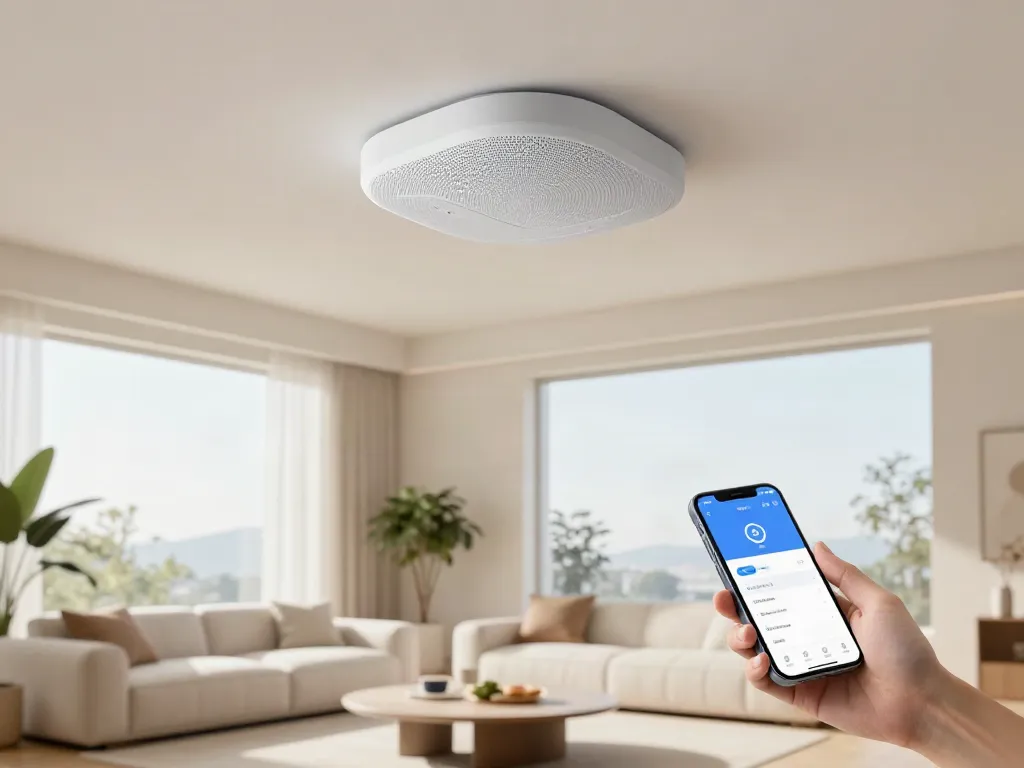
- Smart Technology: Integration with smart home systems allows for remote control and energy monitoring, enhancing convenience.
- Enhanced Efficiency Standards: New regulations are pushing manufacturers towards higher efficiency benchmarks.
- Environmental Considerations: The use of eco-friendly refrigerants is becoming standard in response to climate change concerns.
Innovations in Energy Efficiency
Technological advancements are leading to significant improvements in energy efficiency:
- Variable Speed Compressors: These compressors adjust their speed according to demand, using less energy and improving comfort.
- Advanced Filtration Systems: New filtration technologies are improving air quality and allowing units to work more efficiently.
- Heat Pump Technology: Innovations in heat pump design are enabling better performance in extreme temperatures.
Consumer Preferences and Market Changes
As consumers become more aware of energy efficiency and environmental impacts, preferences are shifting:
- Emphasis on Comfort: Many customers prioritize comfort and individualized temperature control in their purchasing decisions.
- Interest in Multi-zone Systems: As homes become more energy-conscious, multi-zone mini split systems are gaining popularity for their versatility.
- Demand for Aesthetics: Sleek designs and minimalistic appearances are increasingly important, as homeowners want their AC units to blend seamlessly with home decor.