Understanding Steel Fabrication Techniques
Steel fabrication is a foundational process in the construction and manufacturing industries, providing the structural integrity needed for a wide array of projects—from residential homes to commercial buildings. With an emphasis on quality, efficient processes, and robust materials, steel fabrication has become increasingly vital in today’s dynamic construction landscape. Understanding the various techniques and advantages of in-house steel fabrication can greatly influence project outcomes. When exploring options, Steel fabrication offers comprehensive insights into achieving high standards with reliability and craftsmanship.
What is Steel Fabrication?
Steel fabrication encompasses a range of processes and techniques used to transform raw steel into finished structures and components. This involves cutting, shaping, assembling, and finishing steel to create products suitable for various applications, including structural support, architectural features, and machinery components. The fabricated steel products are then utilized in a wide range of settings, making it a crucial element in both residential and commercial construction.
Main Types of Steel Fabrication Processes
The primary steel fabrication processes include:
- Cutting: This can be achieved through various methods, including shearing, sawing, and plasma cutting.
- Bending: Steel can be bent into desired shapes using press brakes or roll bending techniques.
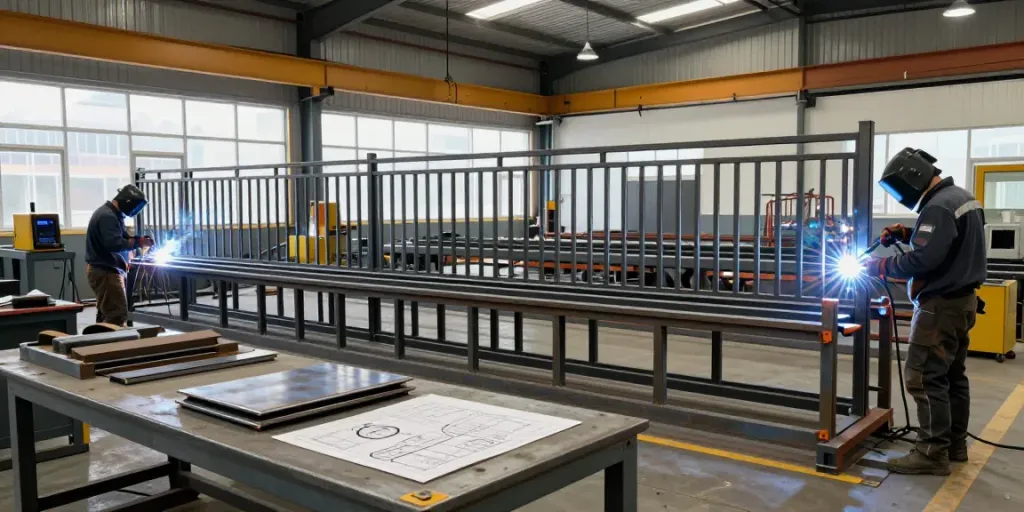
- Welding: A critical process for joining steel pieces together, welding can include techniques like MIG, TIG, and stick welding.
- Finishing: This involves surface treatments such as powder coating, galvanizing, or painting to protect against corrosion and improve aesthetics.
Advantages of In-house Steel Fabrication
Executing steel fabrication in-house brings numerous benefits, including:
- Quality Control: In-house fabrication allows for rigorous quality checks at every stage of production, ensuring that the final product meets the required specifications and standards.
- Efficiency: By controlling the entire process, from design to delivery, companies can significantly reduce turnaround times and improve overall project efficiency.
- Cost-Effectiveness: Eliminating the need to outsource fabrication reduces overhead costs and allows for better pricing in project quotes.
- Customization: In-house capabilities enable tailored solutions to meet specific project needs without the complexities involved with external vendors.
Essential Tools for Steel Fabrication
Common Equipment Used in Steel Fabrication
The tools and equipment used in steel fabrication vary depending on the processes involved. Essential equipment includes:
- Cutting Tools: Band saws, laser cutters, and plasma cutters are fundamental for precision cutting of steel.
- Bending Machines: Press brakes and roll benders are used to shape steel into various forms.
- Welding Machines: MIG, TIG, and stick welders provide the means for securing steel components together.
- Measuring Tools: Accurate measurements are essential, utilizing tools such as calipers and laser measuring systems.
Safety Gear and Best Practices
Safety is paramount in steel fabrication. Workers should always wear appropriate safety gear, which may include:
- Hard hats
- Protective eyewear
- Welding gloves and jackets
- Steel-toed boots
- Respirators, if required
Implementing best practices, such as maintaining a clean workspace and conducting regular safety audits, can further minimize risks associated with steel fabrication.
Innovative Technologies in Steel Fabrication
Emerging technologies are reshaping the steel fabrication landscape, including:
- Automation: Automated machines enhance precision and reduce labor costs in repetitive tasks.
- 3D Printing: This technology is advancing custom fabrication processes, allowing for rapid prototyping and reduced material waste.
- Software Solutions: Advanced CAD and CAM software facilitate better design accuracy, aiding in the fabrication process.
Challenges in Steel Fabrication
Common Issues Faced During Fabrication
Despite its many advantages, steel fabrication is not without challenges. Common issues include:
- Material Defects: Poor quality raw materials can lead to structural compromises.
- Design Changes: Alterations during the fabrication process can cause delays and increase costs.
- Workforce Skills: Finding experienced fabricators can be challenging in a competitive job market.
How to Overcome Fabrication Challenges
To effectively manage and overcome fabrication challenges, companies can:
- Implement rigorous quality control measures throughout the fabrication process.
- Invest in workforce training programs to enhance skills and reduce reliance on external labor.
- Utilize project management tools to keep track of changes and timelines effectively.
Understanding Corrosion and Finish Quality
Corrosion is a significant concern in steel fabrication, particularly in coastal areas like Fujairah, where salt-laden air affects the longevity of metalwork. Utilizing high-quality finishes and proper surface treatment is essential. Regular maintenance can also prolong the lifespan of fabricated steel components.
Applications of Steel Fabrication
Residential vs. Commercial Steel Fabrication
Steel fabrication finds applications in both residential and commercial sectors. In residential settings, it is often used for:
- Structural frameworks for homes
- Custom gates and railings
- Durable kitchen components
In commercial settings, steel fabrication is crucial for:
- Support structures in high-rise buildings
- Custom shelving and display fixtures
- Industrial machinery and equipment
Custom Steel Projects and Unique Designs
One of the key strengths of steel fabrication is its ability to create bespoke solutions tailored to specific designs. Unique architectural features, custom railings, and artistic installations all benefit from the versatility of steel as a material.
Case Studies: Successful Steel Fabrication Projects
Examining successful steel fabrication projects provides insight into best practices and innovative applications. For instance, a recent project involved fabricating custom steel frames for a luxury villa in Fujairah, which showcased both structural integrity and aesthetic appeal through intricate designs. The result not only enhanced the property’s value but also emphasized the importance of high-quality materials and skilled labor.
The Future of Steel Fabrication
Emerging Trends in Steel Fabrication for 2026
As we look toward 2026, several trends are shaping the future of steel fabrication:
- Increased Automation: Automation will continue to streamline production processes, leading to higher efficiency and quality.
- Sustainability Practices: There is a growing emphasis on sustainable practices, including recycling steel and reducing waste in fabrication.
- Digital Fabrication: The integration of digital technologies for design and production will enhance customization and reduce lead times.
Sustainability in Steel Fabrication Processes
Sustainability is becoming a core focus within the steel fabrication industry. Fabricators are adopting practices such as:
- Using recyclable materials
- Implementing energy-efficient processes
- Reducing emissions during fabrication
These practices not only benefit the environment but also meet the increasing demand for sustainable construction solutions.
Predictions for the Steel Fabrication Industry
The steel fabrication industry is poised for growth as demand continues to rise in both residential and commercial sectors. Innovations in materials, techniques, and sustainability practices will likely lead to more efficient and environmentally friendly production methods.
What Are the Benefits of Steel Fabrication?
Steel fabrication offers numerous advantages, including:
- Durability and strength, making it suitable for various applications.
- Cost-effectiveness through efficient production and lower maintenance costs.
- Design flexibility, accommodating a range of architectural styles.
How Does In-house Fabrication Enhance Quality?
In-house steel fabrication ensures that every aspect of the process is controlled, leading to consistent quality across all products. By eliminating third-party dependencies, companies can ensure that standards are maintained throughout production.
What Are Common Misconceptions About Steel Fabrication?
Common misconceptions include the belief that steel fabrication is only suitable for large-scale projects or that it is overly costly. In reality, steel fabrication can be tailored to a wide range of project sizes and budgets, making it an accessible option for various needs.
How to Choose the Right Steel Fabricator?
Choosing a competent steel fabricator involves considering several factors, such as:
- Experience and reputation in the industry
- Ability to provide custom solutions
- Quality of materials and adherence to safety standards
It is advisable to review previous projects and client testimonials to gauge reliability and quality.
Can Steel Fabrication Impact Project Timelines?
Indeed, steel fabrication can significantly impact project timelines. Efficient processes and skilled labor shorten lead times, whereas outsourcing or delays in fabrication can lead to project hold-ups. By managing fabrication in-house, companies can maintain better control over their schedules.