Understanding Automatic Bag Palletizer Machines
In the ever-evolving landscape of manufacturing, businesses are constantly seeking ways to enhance operational efficiency. Among the various innovations, the automatic bag palletizer machine stands out as a pivotal tool. These machines automate the process of stacking bags onto pallets, significantly reducing manual labor and increasing productivity. Whether your operation involves agricultural products, pet food, or industrial goods, an automatic bag palletizer can be the key to maintaining a smooth workflow and meeting high-volume demands.
What is an Automatic Bag Palletizer Machine?
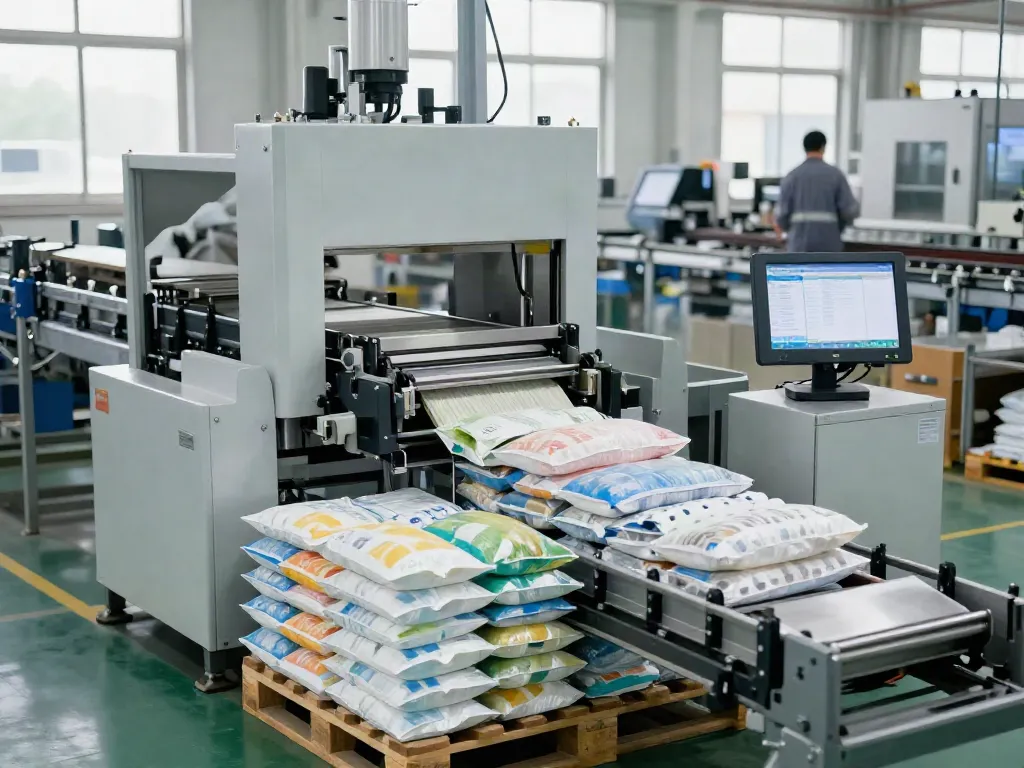
An automatic bag palletizer machine is a sophisticated piece of equipment designed to efficiently stack bags onto pallets for storage or shipment. This machinery utilizes advanced robotics and sensors to perform tasks with precision and speed. Depending on the model, it can handle various bag types—such as open-mouth, valve bags, and others—of different sizes and weights, ensuring versatility across many industries.
Key Features and Technology Trends for 2026
- High-Speed Operations: Modern machines can process hundreds of bags per hour, greatly enhancing throughput.
- User-Friendly Interfaces: Many systems now feature touch-screen controls, allowing for easy adjustments and monitoring.
- Advanced Robotics: Integration of AI and machine learning enables predictive maintenance and reduces downtime.
- Sustainability Features: New designs prioritize eco-friendly materials and energy-efficient operations.
Benefits of Using an Automatic Bag Palletizer
Utilizing an automatic bag palletizer machine brings a myriad of benefits, including:
- Increased Productivity: Automation minimizes human error and accelerates the palletizing process.
- Improved Safety: Reducing manual handling of heavy bags lowers the risk of workplace injuries.
- Consistency and Quality: Automated systems deliver uniform pallet loads, enhancing product stability during transport.
- Cost-Effectiveness: While the initial investment may be substantial, the reduction in labor costs and increase in efficiency often lead to significant ROI within a few years.
Choosing the Right Automatic Bag Palletizer
When selecting an automatic bag palletizer, businesses must consider several critical factors to ensure they choose a model that meets their specific needs.
Factors to Consider: Size, Speed, and Material Compatibility
Before making a purchase, assess the following:
- Size: Ensure that the palletizer can accommodate the dimensions of your bags as well as the size of your pallets.
- Speed: Look for a machine that matches or exceeds your current production requirements.
- Material Compatibility: Consider the types of materials your bags are made from; some palletizers might not handle specific materials effectively.
Top Brands and Models to Watch in 2026
The market for automatic bag palletizers is growing, with several brands leading the way:
- Durzerd: Known for reliability and innovation, Durzerd offers machines tailored for diverse industries.
- Premier Tech: Their robotic solutions combine flexibility and advanced technology for high-speed operations.
- Tinsley Company: Offers a range of robotic and automated palletizing solutions focused on user-friendly designs.
Cost Comparisons: Investment vs. ROI
Investing in an automatic bag palletizer can seem daunting, but it is essential to evaluate the long-term benefits against the initial costs. Typically, prices range depending on speed, features, and manufacturer, with mid-range models starting at $50,000. However, the potential for increased efficiency and reduced labor costs can yield an ROI within three to five years. Conducting a detailed cost-benefit analysis can provide clarity and guide decision-making.
Common Challenges in Bag Palletizing
Despite their benefits, automatic bag palletizers can present specific challenges that companies must address.
Addressing Size and Material Variability
One of the most common issues is the variability in bag sizes and materials. A machine designed for one type of bag may not work efficiently with another. It’s crucial to select machines that offer flexibility and adaptability, or to invest in models that can be easily configured for different products.
Overcoming Technical Issues during Operation
Technical malfunctions can lead to costly downtime. Implementing a robust preventive maintenance schedule and training staff on common troubleshooting techniques can mitigate this risk. Additionally, manufacturers that offer ongoing support can greatly enhance operational continuity.
Misconceptions about Automated Systems
Some businesses believe that automated systems are too complex or that they will lead to significant job losses. In reality, these machines can complement human efforts, allowing workers to focus on more complex tasks, thus enhancing overall productivity.
Best Practices for Implementing a Bag Palletizer
Implementing an automatic bag palletizer machine requires careful planning and execution to ensure success and maximize its benefits.
Step-by-Step Guide for Seamless Integration
- Assessment: Evaluate current operations to identify areas for improvement.
- Selection: Choose a model that fits your operational needs and budget.
- Installation: Work with the manufacturer for a smooth setup process.
- Testing: Run trials to ensure everything functions as intended before going live.
- Training: Provide comprehensive training for operators and maintenance personnel.
Safety Protocols and Operator Training
Safety training is paramount when introducing automated systems. Ensure that operators are familiar with safety protocols, including emergency stops and proper handling practices. Regular drills can reinforce these measures and help maintain a safe working environment.
Maintenance Tips for Longevity and Performance
To keep your automatic bag palletizer running smoothly, adhere to a stringent maintenance schedule that includes:
- Regular inspections of mechanical parts.
- Lubrication of moving components.
- Software updates to ensure operational efficiency.
The Future of Bag Palletizing Technology
The palletizing industry is on the cusp of transformative changes, driven by technological advancements and evolving market demands.
Automated Systems and Industry 4.0 Integration
Industry 4.0 is set to revolutionize manufacturing processes, including palletizing. IoT connectivity will allow machines to communicate, share data, and optimize processes in real-time, leading to unprecedented efficiency.
Sustainability Trends in Palletizing Operations
With increasing focus on sustainability, newer models are being designed with energy-efficient motors and recyclable materials. Companies are also exploring ways to minimize waste in production lines, which aligns with global goals for environmental responsibility.
Predictions for Automated Bag Palletizing in 2026 and Beyond
As technology advances, the future of automated bag palletizing looks promising. We can expect greater automation, enhanced machine learning algorithms for predictive analytics, and a move toward customized solutions tailored to specific sector needs. The integration of robotics will continue to expand, leading to more user-friendly and efficient machines that further streamline the bag palletizing process.
How much does a robotic palletizer cost?
The cost of a robotic palletizer can vary significantly based on features and capabilities, with prices often ranging from $50,000 to over $200,000. It's essential to consider total cost of ownership, including maintenance and operational costs, when making purchasing decisions.
What are the different types of palletizer machines?
Palletizers can be classified into several types, including conventional palletizers, robotic palletizers, and hybrid systems. Each type has its unique advantages, depending on the application and industry requirements.
What are the best automated bagging systems?
Some of the leading automated bagging systems include those from brands like Durzerd, Premier Tech, and Tinsley Company. Each offers a variety of machines designed to meet specific operational needs and budget considerations.
What is palletizing automation?
Palletizing automation refers to the use of technology and machinery to automate the process of stacking products onto pallets for storage or distribution. This technology significantly enhances speed, accuracy, and efficiency in production lines.
How does an automatic bag palletizer machine increase productivity?
By automating the stacking process, an automatic bag palletizer machine drastically reduces the manual labor required, allowing for faster operations and a more reliable stacking process. This results in higher throughput, less downtime, and more consistent product delivery.