
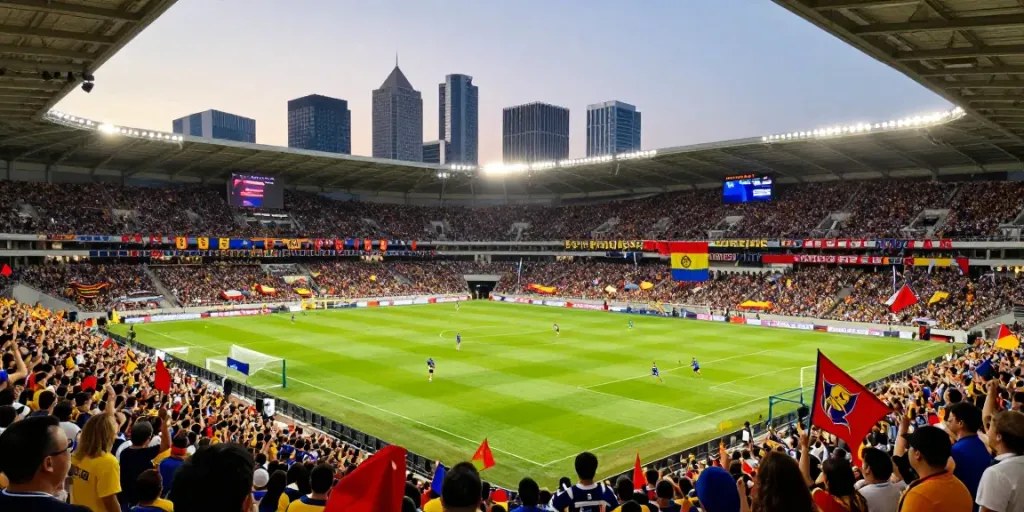
Understanding the Importance of Stadium Rankings in Football
Football stadiums play a vital role in the sports experience, extending beyond just their physical structures. Rankings such as TOP10สนาม provide insights into the quality and features of these venues, influencing fan engagement and team support. This article delves into the significance of stadium rankings and how they shape the overall experience of football fans around the world.
What is TOP10สนาม?
TOP10สนาม refers to a curated list of the top football stadiums as determined by various criteria assessing their design, amenities, and fan experiences. Each venue's ranking is influenced by factors such as capacity, location, accessibility, and the overall atmosphere during matches. These rankings provide fans with a guide to the best stadiums to visit, enhancing their anticipation and experience of live football.
How Rankings Affect Fan Experience
The experiences fans have at stadiums can greatly affect their loyalty to a team. High-ranking stadiums often provide better amenities, which can enhance comfort and enjoyment. For instance, features such as modern seating, excellent sightlines, and quality food and beverage options contribute to a more enjoyable matchday experience. This increased satisfaction can lead to higher attendance rates and stronger emotional ties to the team.
The Role of Stadium Design in Rankings
Design plays a crucial role in how stadiums are perceived. Innovative architectural features and layouts can boost a stadium's ranking significantly. For example, open-air designs that maximize natural light and provide excellent views of the pitch, as well as state-of-the-art facilities like advanced sound systems or digital screens, can elevate the fan experience and consequently improve the stadium's standing on ranking lists.
The Top 10 Stadiums in 2026: A Closer Look
As we analyze the top football stadiums for 2026, it’s essential to consider the criteria used for ranking. Factors such as structural integrity, fan amenities, and environmental impact are crucial in assessing each venue.
Criteria for Ranking Stadiums
When ranking stadiums, criteria often include:
- Capacity: The maximum number of spectators that the stadium can accommodate.
- Facilities: Availability of modern amenities including restrooms, concession stands, and technology services.
- Accessibility: Ease of access for fans, including public transport links and parking availability.
- Fan Experience: Overall enjoyment during matches, such as atmosphere and seating comfort.
User Experience and Amenities
User experience is paramount in defining stadium rankings. Stadiums that offer high-quality amenities such as comfortable seating, excellent sightlines, and diverse food options tend to receive better rankings. Additionally, fan engagement areas, like interactive zones and merchandise shops, can also enhance the overall experience.
Impact on Local Economies
The presence of a top-ranked stadium can significantly impact the local economy. Increased match attendance can boost business for local hotels, restaurants, and shops. Furthermore, a highly regarded venue often attracts major events, which can provide a substantial economic influx to the surrounding area.
Trends Shaping the Future of Football Stadiums
Football stadiums are continually evolving to meet the needs of fans and teams alike. Several emerging trends are influencing stadium designs and operations.
Innovative Technologies in Stadium Design
The integration of innovative technologies into stadium design is becoming more prevalent. Features such as augmented reality applications, app-based ticketing systems, and high-speed Wi-Fi are enhancing the in-stadium experience. These technologies not only improve fan engagement but also streamline operations for the venue administrators.
Sustainability Initiatives in 2026
As environmental concerns rise, sustainability initiatives are playing an increasingly important role in stadium designs. Stadiums are being built with eco-friendly materials and technologies, such as solar panels and rainwater harvesting systems, which contribute to a reduction in their carbon footprint. These initiatives not only benefit the environment but also appeal to environmentally conscious fans.
Fan Engagement Strategies
Engaging fans has become crucial in maintaining their loyalty. Many stadiums are adopting strategies that promote fan interaction before, during, and after matches. These strategies can include special events, fan zones, and social media engagement that allow fans to feel more connected to their teams.
Challenges Facing Stadium Management Today
Despite the advancements in stadium design and management, there are several challenges that stadium operators face.
Funding and Financial Strategies
Securing funding for stadium construction and renovations remains a significant hurdle. Many stadiums rely on public funding or partnerships with private entities, which can lead to complicated negotiations and delays in project completion. Developing effective financial strategies is vital for successful stadium management.
Security and Safety Measures
Ensuring the safety and security of fans is a top priority for stadiums. Increased security measures, such as advanced surveillance systems and crowd control techniques, have become essential in providing a safe environment for attendees. Maintaining a balance between strong security and an open, welcoming atmosphere is a challenge stadiums continue to face.
Adapting to Changing Fan Expectations
Fan expectations are continually evolving, driven by technological advancements and changing social dynamics. Stadiums must adapt to these changing demands, incorporating new technologies and amenities while ensuring a quality experience that satisfies an increasingly discerning audience.
Looking Ahead: The Future of Stadium Experiences
The future of stadium experiences looks promising as new developments continue to emerge in the football landscape.
Predictions for Stadium Developments in 2027
By 2027, we can expect even more innovative stadium designs that prioritize fan experiences. Trends such as modular stadium construction and the increased use of technology for fan engagement will likely shape future developments. Stadiums will continue to focus on enhancing experiences to cater to the needs of modern-day spectators.
The Role of Social Media in Fan Interaction
Social media will play a crucial role in how fans interact with stadiums. Engaging fans through social platforms can enhance community building and create a more immersive experience for those attending matches. Stadiums will likely adopt integrated social media strategies to connect with fans and foster loyalty.
How to Prepare for the Next Generation of Fans
As younger generations become the primary audience for football, stadiums must prepare to meet their unique preferences. This includes incorporating technology-native features, such as interactive displays and mobile interfaces, into the fan experience. Understanding and catering to the needs of the next generation is essential for future stadium success.
What are the top stadiums for football fans to visit?
The top stadiums for football fans often include legendary venues such as Camp Nou, Wembley Stadium, and the Maracanã, each renowned for their rich history and fan experiences.
How do stadium designs impact fan enjoyment?
Effective stadium designs ensure that fans have excellent sightlines, comfortable seating, and accessible amenities, significantly enhancing their overall enjoyment during matches.
What innovations are being integrated into modern stadiums?
Innovations include advanced technology for fan interactions, improved seating arrangements, and enhanced environmental sustainability features.
Why are stadium rankings significant for fans?
Stadium rankings provide fans with insights into where to experience high-quality matches and the best amenities, ultimately influencing their choices about attending games.
What challenges do stadium managers face today?
Challenges include securing funding, ensuring safety, and adapting to evolving fan expectations, all of which are crucial for successful stadium operations.