
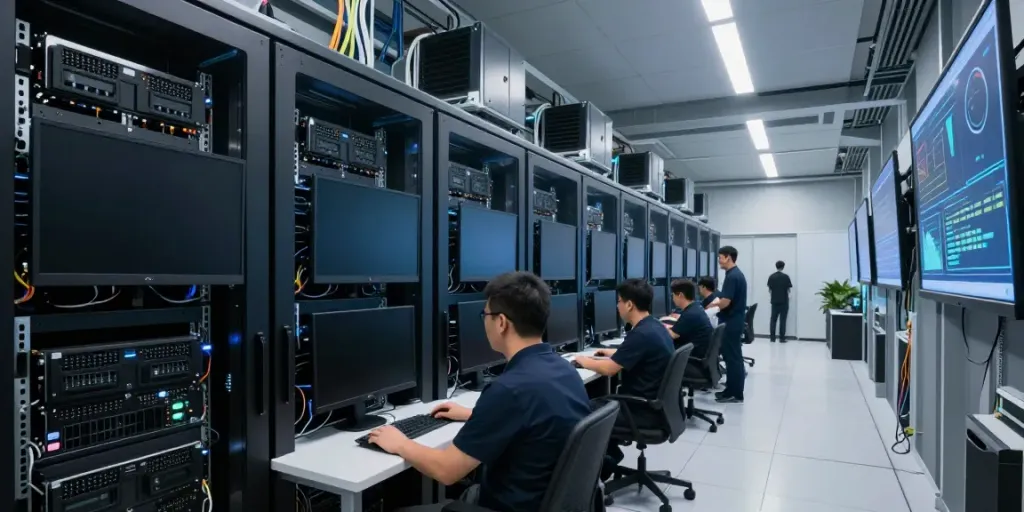
Introduction to AI Data Centers
As the demand for artificial intelligence (AI) continues to skyrocket, the need for specialized infrastructure to support these innovations becomes increasingly important. AI data centers are not simply enhanced traditional data centers; they are specifically built to handle the rigorous computational workloads required for AI training and inference. Understanding the nuances of AI data centers is crucial for businesses eager to leverage AI technologies effectively. When exploring options, AI data center provide comprehensive insights on how power is managed and utilized in these advanced facilities.
What Defines an AI Data Center?
An AI data center is a dedicated facility that houses advanced IT infrastructure specifically designed for artificial intelligence applications. Unlike traditional data centers that support a wide range of computational tasks, AI data centers feature high-density GPU computing resources, enhanced networking capabilities, and specialized cooling systems to meet the unique demands of AI workloads. Key characteristics of AI data centers include:
- High-Performance Computing: The infrastructure is optimized for intensive computational tasks that AI models require, such as training neural networks.
- Low Latency Networking: High-speed connections between servers and GPUs are critical for data transfer efficiency during AI model training and inference.
- Scalability: AI data centers are built to accommodate increasing workloads, with the ability to scale up resources as needed.
The Role of AI in Modern Data Infrastructure
AI technologies are revolutionizing how data centers operate. By utilizing AI-driven analytics, data centers can monitor performance, optimize resource allocation, and predict maintenance needs. AI tools enable better decision-making processes, leading to improved operational efficiency and reduced costs. With AI's predictive capabilities, data centers can proactively respond to hardware failures and workload demands.
Key Differences Between Traditional and AI Data Centers
While traditional data centers serve a variety of computing needs, AI data centers are tailored specifically for AI applications. The key differences include:
- Resource Allocation: AI data centers require a significant proportion of their resources dedicated to GPUs rather than CPUs due to the computational intensity of AI tasks.
- Energy Consumption: AI workloads are energy-intensive, necessitating advanced power management solutions to ensure efficiency and sustainability.
- Workload Types: Traditional computing tasks often involve less demanding sequential processes, while AI data centers are designed for parallel processing of large datasets.
Power Management in AI Data Centers
Proper power management is crucial in AI data centers, where energy consumption can significantly impact operating costs and environmental sustainability. Understanding how to effectively manage and optimize power usage in these facilities is vital for operational success.
Understanding Energy Consumption Metrics
AI data centers consume electricity measured in kilowatt-hours (kWh), similar to traditional data centers, but typically at much higher rates due to the intensive computations performed. Key metrics to consider include:
- Power Usage Effectiveness (PUE): This metric measures the ratio of total building energy use to the energy used by the IT equipment alone. A lower PUE indicates more efficient power usage.
- Performance per Watt: This metric helps in understanding the efficiency of the hardware in performing tasks relative to the power consumed.
- Carbon Footprint: As sustainability becomes essential, tracking the carbon emissions associated with electricity generation helps in aligning operational practices with environmental goals.
Best Practices for Efficient Power Usage
To optimize power usage in AI data centers, implementing best practices is crucial. These may include:
- Utilizing energy-efficient hardware and optimizing cooling systems to reduce energy consumption.
- Employing machine learning to predict power usage patterns and adjust resources dynamically.
- Implementing renewable energy sources wherever possible to offset the carbon footprint.
The Impact of Renewable Energy Sources
Integrating renewable energy sources into AI data centers not only lowers operational costs but also significantly diminishes environmental impact. Various forms of renewable energy, such as solar and wind, can be harnessed to power facilities, leading to a more sustainable infrastructure. Additionally, employing energy storage solutions can help manage peak usage periods without relying on non-renewable sources.
Technological Innovations Shaping AI Data Centers
As AI technology continues to evolve, so too does the infrastructure that supports it. Emerging technological innovations are transforming how AI data centers operate, enhancing efficiency, reliability, and performance.
Machine Learning and Predictive Resource Allocation
The use of machine learning algorithms helps in predictive resource allocation within AI data centers. By analyzing historical data and current workload requirements, these algorithms can dynamically allocate resources, ensuring that computing power is available when and where it's most needed. This not only enhances performance but also minimizes unnecessary energy consumption.
Advanced Cooling Systems for High-Density Computing
Cooling systems are critical in an AI data center due to the high density of computational resources. Innovations such as liquid cooling and immersion cooling are increasingly being adopted, providing more efficient temperature control than traditional air cooling systems. These advanced cooling solutions help reduce energy expenditure associated with maintaining optimal operational temperatures.
AI-Driven Maintenance and Monitoring Solutions
AI-driven tools are enhancing maintenance and monitoring capabilities within data centers. These solutions can predict potential failures before they occur, allowing for proactive maintenance actions that minimize downtime and optimize performance. With real-time monitoring, operators gain insights into energy consumption and can adjust operations accordingly.
Operational Challenges and Solutions
While AI data centers offer immense potential, they also face operational challenges that must be addressed to ensure seamless functionality and sustainability.
Addressing Scalability Issues
Scalability is a critical concern for AI data centers, particularly as workloads increase. Implementing modular infrastructure allows for easy expansion without significant downtime or resource allocation challenges. Cloud-based solutions can also provide flexible scalability options, accommodating fluctuating demand effectively.
Data Security Concerns in AI Operations
With the increased reliance on AI comes heightened risks regarding data security. AI data centers must implement robust security protocols, including encryption and advanced firewalls, to protect sensitive data. Regular audits and compliance checks are also essential to maintaining high-security standards.
Managing Computational Risks and Downtime
Downtime management is essential in maintaining operational continuity within AI data centers. Utilizing redundancy and failover systems can ensure that critical operations persist even in the face of hardware or software failures. Comprehensive backup strategies and disaster recovery plans must also be in place to mitigate risks effectively.
The Future of AI Data Centers
Looking ahead, the landscape of AI data centers is poised for significant evolution. As technologies advance and demands increase, several trends will shape the future of this critical infrastructure.
Trends to Watch in 2026 and Beyond
Several emerging trends are likely to define the future of AI data centers:
- Edge Computing: The shift towards edge computing will enable faster data processing closer to the source, reducing latency and enhancing real-time decision-making capabilities.
- AI Optimization for Operations: As AI applications become more prevalent, data centers will increasingly leverage AI to optimize every aspect of their operations, from energy consumption to hardware performance.
- Sustainability Practices: Continued emphasis on sustainable practices will drive innovations in energy sourcing and efficiency, with a focus on minimizing environmental impact.
The Evolution of AI Workloads and Data Processing
As AI workloads become more complex, the requirements for data processing and infrastructure will need to evolve accordingly. This will drive innovations in hardware technologies, including advances in GPU architecture and increased utilization of specialized processing units such as TPUs (Tensor Processing Units).
Preparing for Regulatory Changes and Industry Standards
As the AI industry matures, regulatory frameworks are likely to evolve, necessitating compliance from AI data centers. Staying informed and adaptable to these changes will be critical in maintaining operational viability and competitive advantage in the marketplace.
Frequently Asked Questions
What is the AI data center?
An AI data center is a specialized facility designed to support the intensive computational needs of AI applications, featuring high-density GPU resources and optimized infrastructure for AI workloads.
Where are most AI data centers located in the US?
Many AI data centers are concentrated in technology hubs such as Silicon Valley, Seattle, and Austin, where access to tech talent and infrastructure is readily available.
Who is the largest AI data center?
The largest AI data center can vary based on metrics such as capacity and performance. Notably, facilities operated by major tech companies like Google and Microsoft often rank among the largest.
What does Trump say about data centers?
Former President Trump has highlighted the importance of technological infrastructure for national security and economic growth, expressing support for developing data centers that bolster the nation's tech capabilities.
Why do we need AI data centers?
AI data centers are essential for supporting the computational needs of AI technologies, enabling advancements in machine learning, natural language processing, and other AI applications that drive innovation across industries.